
什么是 Speedle 策略?
策略管理服务(PMS)管理服务、授权策略、角色策略与自定义函数,由已注册的存储后端持久化这些对象。
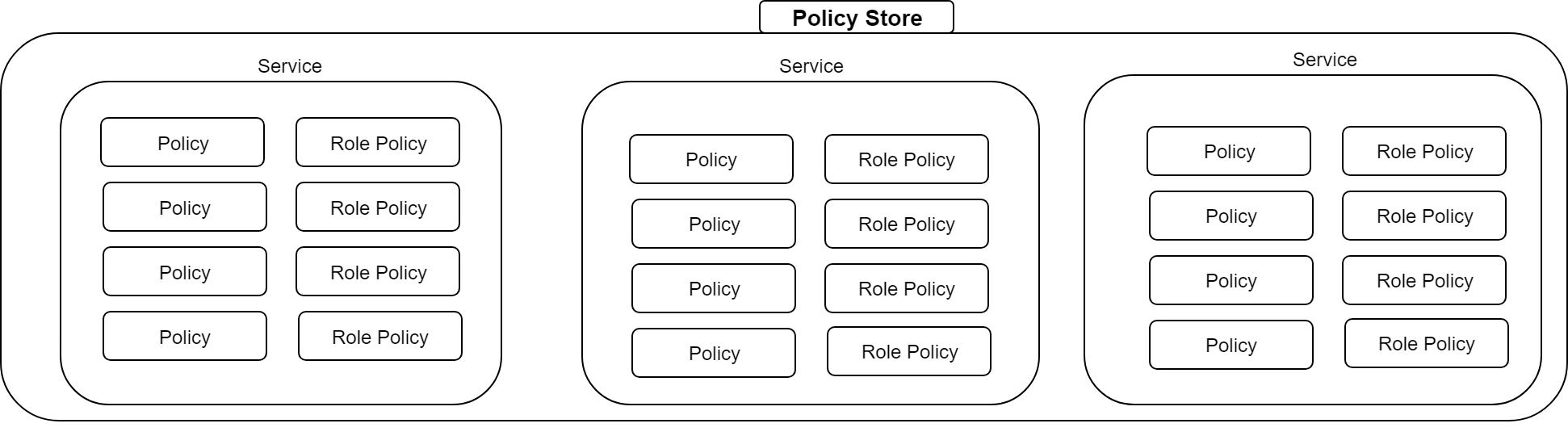
服务与授权策略
服务限定策略的作用范围。授权策略允许或拒绝主体对资源执行操作,并可附带条件。除全局角色策略外,一个服务的策略不会自动在另一个服务中生效。
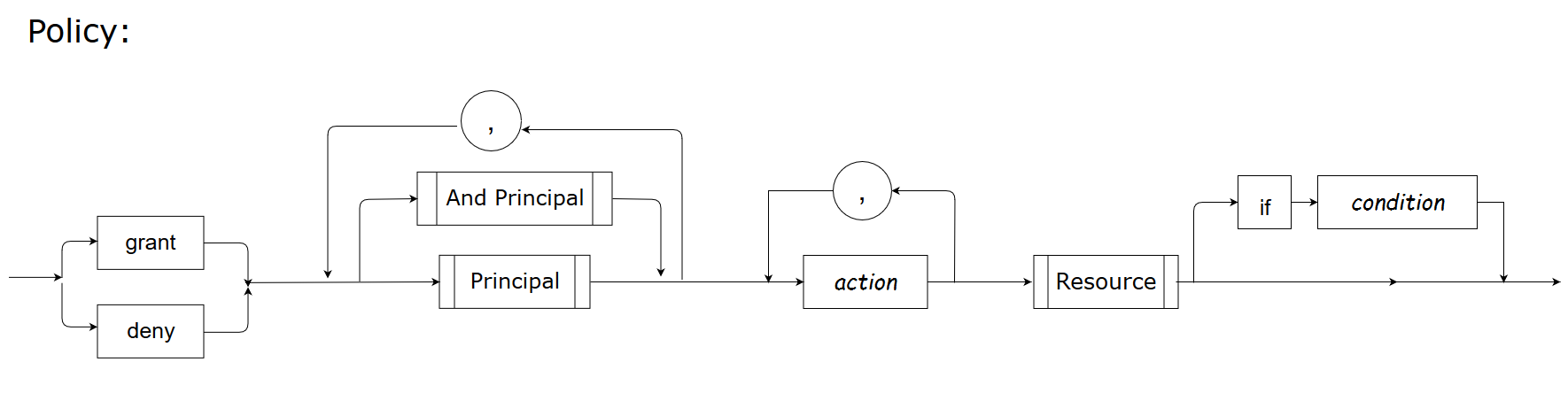
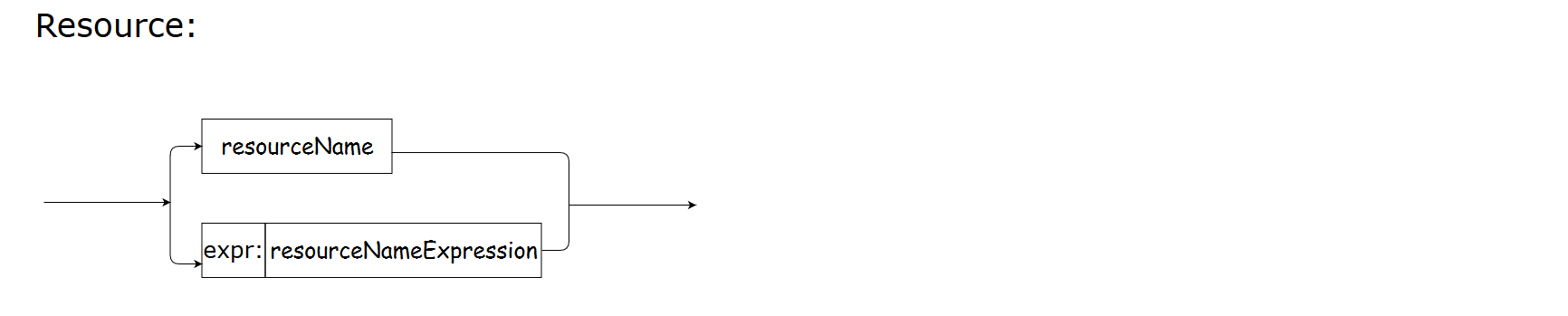
grant group Administrators list,watch,get expr:^c1/default/core/pods/.*$此正则只匹配 c1/default/core/pods/ 下的资源,不匹配 c1/default/core/podssecret 或带额外前缀的路径。expr: 使用正则表达式,不是 shell 通配符:任意字符使用 .*,需要匹配完整标识符时加 ^、$。
角色策略
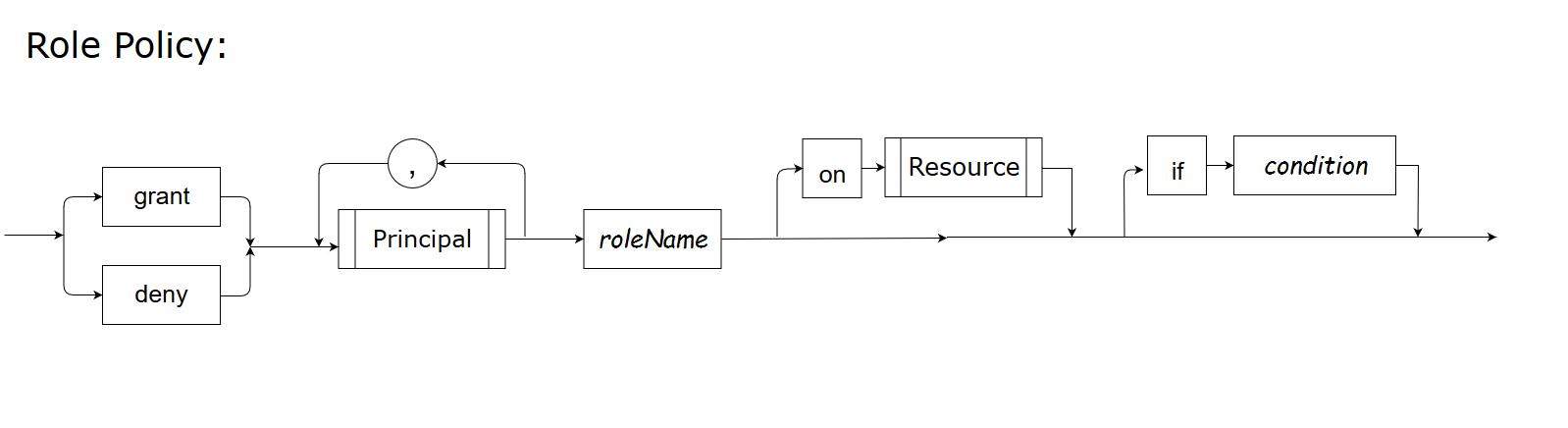
grant user alan manager on res1
grant role manager update res1
第一行把指定资源上的角色分配给 Alan,第二行才为该角色授予操作权限。仅分配角色不会自动产生权限。适用的显式拒绝优先于允许。
主体与条件
主体可以是用户、组、实体或角色。实体表示服务等非人身份,集成代码必须从可信来源获取这些身份。
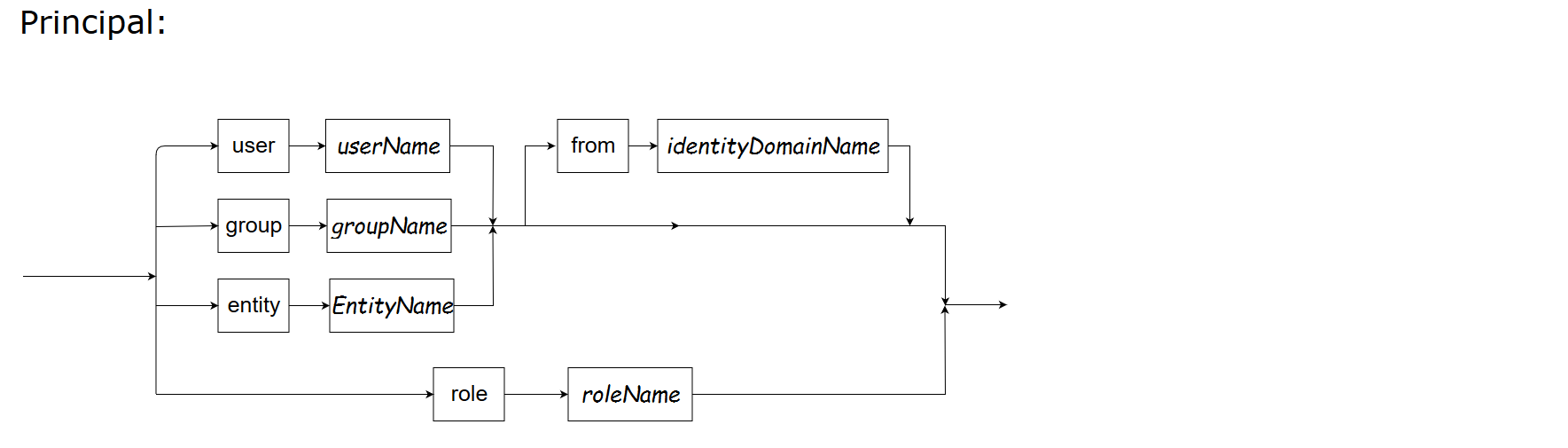
AND 主体组要求组内所有身份均匹配,多组之间为 OR。以下例子要求两个角色都有效:
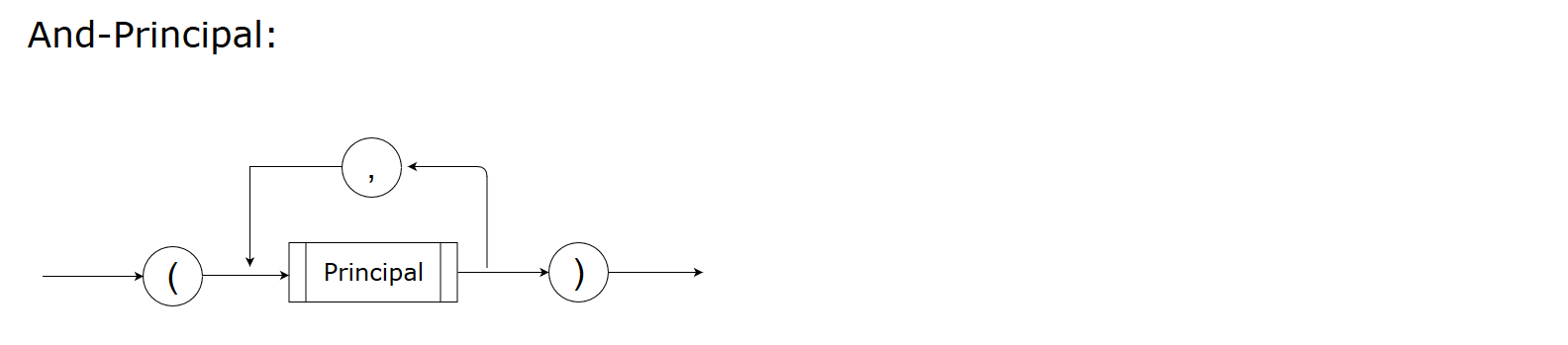
grant (role designer, role dba) update db_design_doc资源是被保护的对象,操作是应用定义的动作。条件是由可信属性、常量、运算符与受支持函数构成的布尔表达式。
运行示例前
先按快速入门编译仓库根目录下的 ./bin/spctl、./bin/speedle-pms 和 ./bin/speedle-ads,需要 Go 1.26.10 或 Go 1.27.3(也可使用同一大版本的更新补丁版本)、Bash、curl 和 Python 3。下面各终端都从仓库根目录运行。为本页使用一个新的策略文件;仅在两个服务都停止后重建该文件。
初始化空策略文件:
printf '{}\n' > docs-policies.json终端一启动 PMS,并保持运行:
./bin/speedle-pms --store-type file --filestore-loc ./docs-policies.json --endpoint 127.0.0.1:6733 --grpc-endpoint 127.0.0.1:0 --insecure=true终端二启动 ADS,并保持运行:
./bin/speedle-ads --store-type file --filestore-loc ./docs-policies.json --endpoint 127.0.0.1:6734 --grpc-endpoint 127.0.0.1:0 --insecure=true在第三个终端运行后续命令。PMS/ADS 共享同一个文件,策略更新通过 watch 异步到达 ADS;先查询确认已更新,再依赖新策略做决策。--insecure=true 仅用于回环地址上的本地示例,生产连接见安全配置。示例显式指定 PMS 地址,不修改 ~/.spctlconfig。完成后在两个服务终端按 Ctrl-C。
使用 spctl 管理服务与策略
在新存储上按顺序执行。ID 从实际查询响应中取得,不使用历史输出里的固定值。所有依赖服务的操作完成后,再删除服务。
./bin/spctl --pms-endpoint http://127.0.0.1:6733/policy-mgmt/v1/ create service test
./bin/spctl --pms-endpoint http://127.0.0.1:6733/policy-mgmt/v1/ get service test
./bin/spctl --pms-endpoint http://127.0.0.1:6733/policy-mgmt/v1/ get service --all
./bin/spctl --pms-endpoint http://127.0.0.1:6733/policy-mgmt/v1/ create policy policy1 -c "grant user alan read book" --service-name test
policy_id=$(./bin/spctl --pms-endpoint http://127.0.0.1:6733/policy-mgmt/v1/ get policy --all --service-name test | python3 -c 'import json,sys; print(next(p["id"] for p in json.load(sys.stdin) if p.get("name")=="policy1"))')
./bin/spctl --pms-endpoint http://127.0.0.1:6733/policy-mgmt/v1/ get policy "$policy_id" --service-name test
./bin/spctl --pms-endpoint http://127.0.0.1:6733/policy-mgmt/v1/ create rolepolicy rolepolicy01 -c "grant user alan manager on res1" --service-name test
role_policy_id=$(./bin/spctl --pms-endpoint http://127.0.0.1:6733/policy-mgmt/v1/ get rolepolicy --all --service-name test | python3 -c 'import json,sys; print(next(p["id"] for p in json.load(sys.stdin) if p.get("name")=="rolepolicy01"))')
./bin/spctl --pms-endpoint http://127.0.0.1:6733/policy-mgmt/v1/ get rolepolicy "$role_policy_id" --service-name test
./bin/spctl --pms-endpoint http://127.0.0.1:6733/policy-mgmt/v1/ delete policy "$policy_id" --service-name test
./bin/spctl --pms-endpoint http://127.0.0.1:6733/policy-mgmt/v1/ delete rolepolicy "$role_policy_id" --service-name test
./bin/spctl --pms-endpoint http://127.0.0.1:6733/policy-mgmt/v1/ delete service test
其他管理接口
PMS REST API使用 JSON,返回包含字符串 ID 的扁平策略对象。Go 应用可直接使用 PMS 接口,gRPC 客户端使用公开的 PMS proto。管理操作必须配置传输安全与调用方访问控制。